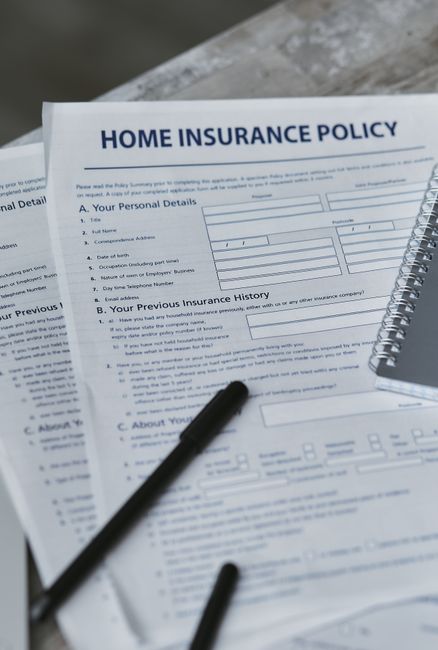
Licensing and insurance rules for Kentish Town removal companies
If you are booking a move in Kentish Town, the paperwork behind the scenes matters just as much as the van outside. Licensing and insurance rules for Kentish Town removal companies can feel dry at first glance, but they are what protect your belongings, your building, and your peace of mind when the sofa has to squeeze through a narrow staircase or a parking bay is only available for ten minutes. In practice, the difference between a decent move and a stressful one often comes down to whether the company is properly insured, operates legally, and knows how to handle the small but important risks that come with London removals.
This guide breaks the topic down in plain English. You will learn what good licensing and insurance should look like, why it matters, how to check it before you book, and which red flags should make you pause. We will also look at the practical side: what happens if something gets damaged, what level of cover is usually expected, and how related services like house removals, flat removals, and office removals fit into the picture. Let's face it, nobody wants to discover the insurance details after the lamp is already cracked.
Table of Contents
- Why Licensing and insurance rules for Kentish Town removal companies Matters
- How Licensing and insurance rules for Kentish Town removal companies Works
- Key Benefits and Practical Advantages
- Who This Is For and When It Makes Sense
- Step-by-Step Guidance
- Expert Tips for Better Results
- Common Mistakes to Avoid
- Tools, Resources and Recommendations
- Law, Compliance, Standards, or Best Practice
- Options, Methods, or Comparison Table
- Case Study or Real-World Example
- Practical Checklist
- Conclusion
- Frequently Asked Questions
Why Licensing and insurance rules for Kentish Town removal companies Matters
In a place like Kentish Town, removals are rarely simple. You have shared stairwells, tight side streets, loading restrictions, busy pavements, and the occasional awkward top-floor walk-up. That means a removal company is not just moving boxes; it is managing risk from the moment it arrives. Licensing and insurance are the basic proof that it can do that responsibly.
Licensing matters because a company must operate lawfully, use vehicles correctly, and deal properly with waste, storage, and any items that are no longer needed. Insurance matters because even careful crews can have a bad day. A doorframe gets scratched. A mattress gets wet in unexpected rain. A client's TV is packed well, then shifts badly in transit because the lift was out and the journey took longer than planned. These things happen. Good cover is what keeps a small issue from becoming an expensive one.
For customers, this is not about bureaucracy for its own sake. It is about trust. A fully prepared mover can often explain what is covered, what is excluded, and what you should do in advance to reduce risk. That is what a serious operator looks like. On the website, you can also review pages like the health and safety policy and the insurance and safety information to understand how a professional approach should be documented.
Practical takeaway: if a removal company is vague about its cover, reluctant to show documents, or brushes off the subject entirely, treat that as a warning sign rather than a minor admin issue.
How Licensing and insurance rules for Kentish Town removal companies Works
The phrase "licensing and insurance" covers a few different things, not just one certificate stuck in a folder somewhere. In simple terms, a legitimate removal company should be able to show that it is allowed to trade, that its vehicles are fit for purpose, and that it has cover in place for common moving risks.
1. Business and vehicle compliance
A removal company should operate as a real business, with proper registration details and a clear trading identity. If it uses commercial vehicles, those vehicles should be correctly insured for business use and maintained to a safe standard. In day-to-day work, that means brakes, tyres, ramps, straps, blankets, and lifting equipment should be checked and used properly. A van that looks tidy is not enough on its own.
2. Public liability insurance
Public liability insurance is one of the most familiar forms of cover in removals. It is there to respond if the company's work causes damage to third-party property or injury to someone else. For example, if a crew member accidentally chips a communal hallway wall in a block of flats, or if an item is dropped in a way that damages a landlord's flooring, this type of cover may be relevant.
3. Goods in transit insurance
This is the one most people ask about, and fairly so. Goods in transit cover is designed for items being moved from one place to another. It is the sort of policy that may help if furniture or boxes are lost or damaged while in the vehicle or being handled as part of the move. But the details matter. Cover limits, exclusions, packing requirements, and valuation methods can all differ. A removal company should explain those differences clearly.
4. Employer's liability insurance
If the company employs staff, employer's liability cover is generally expected in the UK. It exists to protect employees if they are injured or become ill through work. Moving heavy items up and down stairs is physical work, so this is not a box-ticking exercise. It is one of the baseline signs that the company takes its responsibilities seriously.
5. Specialist or optional cover
Some jobs need extra attention. A piano move, for instance, may involve different handling and perhaps different insurance expectations than a standard one-bedroom flat move. High-value artwork, antiques, and fragile electronics can also require closer discussion. If you are booking something more specialised, such as piano removals or a move that includes storage, ask exactly how the policy works before anything leaves the property.
One small but important point: insurance is only useful if it matches the job you are actually booking. The move you describe over the phone should be the move listed on the quote. Sounds obvious, but people do forget. Usually right before the kettle has been packed, which is when everyone suddenly cares about paperwork.
Key Benefits and Practical Advantages
For most people, licensing and insurance are not abstract compliance issues. They produce very practical benefits. Some are obvious. Some are the kind you only appreciate after things get a bit messy.
- Financial protection: if something goes wrong, proper cover can help reduce the cost of repair or replacement.
- Greater confidence: you can book the move without wondering whether the company is cutting corners.
- Better handling standards: companies that invest in insurance often also invest in training, vehicle upkeep, and packing practices.
- Smoother claims handling: a company that keeps records, inventories, and clear procedures is much easier to deal with if a claim arises.
- Lower disruption: reputable movers tend to plan access, loading, and vehicle use more carefully, which reduces last-minute chaos.
There is also a quieter benefit: fewer awkward conversations. If you already know what is covered, who is responsible for what, and how damage would be reported, the whole process feels calmer. And calm matters on moving day. The sound of boxes, tape, footsteps, and a van door sliding shut is busy enough without legal uncertainty hanging in the air.
For customers comparing service types, this matters across the board, whether you are using man and van services, a larger removal van, or a bigger vehicle through moving truck options. The right insurance should match the scale and nature of the move.
Who This Is For and When It Makes Sense
This topic matters to anyone hiring a mover in Kentish Town, but some readers need to pay extra attention.
- Home movers: if you are moving from a terrace, maisonette, flat, or family house, you want clarity on property damage and item cover.
- Tenants and landlords: deposit disputes often turn on whether the move was handled carefully and documented properly.
- Office managers: commercial relocations can involve equipment, IT, confidential files, and lease obligations.
- Students: even smaller moves need insured transport, especially when expensive laptops and screens are involved.
- People with specialist items: pianos, heavy wardrobes, and awkward antiques need extra care.
- Anyone using storage: if items are going into short- or long-term storage, you need to know whether the cover changes once the goods leave the vehicle.
If your move is very small and local, you might think insurance is less important. Truth be told, that is exactly when people get relaxed and assume "it'll be fine." But a short move can still go wrong in a hallway, on a curb, or during loading. Kentish Town streets do not care how quick your job was meant to be.
For smaller or faster jobs, it is still sensible to review options like same day removals or student removals with the same care you would use for a full house move.
Step-by-Step Guidance
Here is a practical way to check licensing and insurance before you book. It is not glamorous, but it works.
- Ask for the company name and trading details. Make sure the business has a clear identity and a working contact route.
- Request proof of insurance. Ask which policies are in place: public liability, goods in transit, employer's liability, and any additional specialist cover.
- Check the cover type against your move. A small local collection is different from a full home relocation or an office move.
- Ask about exclusions. Some policies exclude items packed by the customer, especially if the packing was poor.
- Confirm vehicle suitability. Is the company using the right size van or truck, and is it fitted for safe loading?
- Discuss access and handling. Staircases, parking constraints, and distance from the vehicle to the property can all affect risk.
- Put the booking details in writing. A proper quote should reflect the job, dates, access, and any special items.
- Read the terms and conditions. Yes, it is a bit tedious. Still worth it.
- Keep an inventory for valuable items. A simple list and a few photos can make life much easier if there is a dispute.
- Know how to report damage quickly. Do not leave it until days later when memories are fuzzy and everyone is tired.
If you want to see how a professional mover presents its process, pages such as pricing and quotes and terms and conditions are useful starting points because they show how a company frames responsibility before the job begins.
Expert Tips for Better Results
After enough moves, a few patterns become obvious.
First, don't confuse "cheap" with "lightly regulated." A low quote can be attractive, especially when you are already paying for deposits, boxes, and time off work. But if the company cannot clearly explain its insurance, the saving may evaporate the moment something is damaged.
Second, get the valuation rules straight. Some policies work on replacement cost, some on repair cost, and some may involve declared value or item limits. If you are moving a sofa and a dining table, fine. If you are moving designer lighting or a piano, ask more questions.
Third, package the job properly. Good packing reduces risk more than people realise. Using reliable packing materials, clearly labelled boxes, and careful wrapping can prevent the kind of claims that arise from movement, friction, or moisture. If you need help there, look at packing and boxes or packing and unpacking services.
Fourth, think about the building as well as the items. In Kentish Town, communal areas can be narrow and shared. Protecting hallways, lifts, and doorways is part of professional practice, not an optional extra. A company that talks about floor protection and careful lifting usually has its head screwed on.
Fifth, ask how claims are handled. You do not want a theatrical customer service maze. You want a simple reporting process, a clear contact point, and sensible timescales.
One more thing: if a mover answers your insurance questions with irritation, that tells you quite a lot. Probably more than the answer itself.
Common Mistakes to Avoid
- Booking without asking about insurance at all. People do this more often than you'd think.
- Assuming "insured" means everything is covered. It usually does not. Check limits and exclusions.
- Leaving valuable items off the booking conversation. If the mover does not know about them, the policy may not reflect the job.
- Not reading the quote. The quote should say what is included, what is not, and whether access issues may change the cost.
- Packing fragile items badly. Insurance is not a magic shield for poor packing.
- Forgetting about parking and access permissions. A delay can lead to hurried handling, which raises risk.
- Using a company that cannot explain its complaint process. If trouble arises, you want a route to resolution.
Another common mistake is relying on a verbal promise alone. A friendly phone call is nice, sure, but written confirmation is what protects both sides. Especially when you are dealing with a hectic moving day and nobody wants to remember what was said at 8:15 in the morning.
Tools, Resources and Recommendations
You do not need fancy software to check a removal company properly. A short, methodical approach is enough.
- Quote comparison notes: keep a simple list of what each mover includes, especially insurance wording and exclusions.
- Inventory spreadsheet or checklist: useful for larger homes, offices, and storage moves.
- Photos of high-value items: take them before the move, ideally in good light.
- Written confirmations: email or message confirmations help if a question comes up later.
- Site access notes: stair count, lift availability, parking restrictions, and entry codes all matter.
If you are assessing a company's wider standards, the pages on about us and health and safety policy can help you judge whether the business takes compliance seriously. The sustainability information on recycling and sustainability may also be relevant if you are disposing of unwanted items during the move.
For customers with mixed needs, it can help to think in service layers. A straightforward home move, a furniture-only job, and a larger commercial relocation do not need the same setup. If the move is bigger or time-sensitive, options like commercial moves, home moves, or furniture removals may give you a better sense of what level of protection and vehicle capacity you need.
Law, Compliance, Standards, or Best Practice
Without trying to sound too solemn about it, removals are a regulated trade in the sense that good operators are expected to follow legal, insurance, transport, and workplace safety duties. Exact requirements depend on the business structure, vehicle use, staffing, and the type of goods being moved. Because of that, it is better to think in terms of "show me good evidence" rather than "the company said it was fine."
At a minimum, a reputable Kentish Town removal company should be able to demonstrate:
- appropriate business registration and trading transparency;
- correct vehicle use and maintenance for the service provided;
- public liability cover;
- goods in transit cover where relevant;
- employer's liability insurance if staff are employed;
- safe handling procedures and lifting practices;
- clear booking terms, complaints handling, and privacy handling;
- reasonable communication about limitations and exclusions.
Best practice also means the company should not overpromise. If an item is fragile, oversized, or unusually valuable, it should say so and discuss the right handling method. That is the sort of honesty that builds trust. It is also the sort of honesty that saves a lot of trouble later.
For commercial customers, it is worth checking how the mover handles documents, workstations, and equipment downtime. If you are moving an office, the practical standards are different from a sofa-and-boxes household move, and the risk profile is too. That is why services like office relocation services and office removals are often best discussed in detail before a date is confirmed.
Options, Methods, or Comparison Table
Different move types call for different levels of checking. Here is a simple comparison to help you think it through.
| Move type | Typical risk profile | What to check first | Best fit |
|---|---|---|---|
| Small local move | Lower volume, but still prone to access damage and loading mistakes | Public liability, goods in transit, vehicle suitability | man and van or small van service |
| Flat move | Stairs, shared entrances, tight corners, furniture scuffs | Handling method, hallway protection, item cover | flat removals |
| House move | More items, more time, more chances for mix-ups | Inventory process, packing support, insurance limits | house removals |
| Office move | Equipment, data, time pressure, business interruption concerns | Commercial cover, staff procedures, timing plan | commercial moves |
| Specialist item move | High value, unusual shape, careful handling needed | Specialist insurance terms, packing, route planning | piano removals |
The table is not a rulebook, of course. It is a quick way to match the job to the level of caution needed. A lot of people under-estimate the impact of access. Yet in real life, it is often the staircase, the parking distance, or the weather that causes the headache, not the item itself.
Case Study or Real-World Example
Here is a realistic example from the kind of move people arrange every week in North London.
A couple in a Kentish Town flat booked a move from a third-floor apartment to a nearby house. Nothing dramatic, at first glance. Two wardrobes, a sofa, several boxes, a television, and a few kitchen items. The building had a narrow shared staircase and no lift. On move day, the crew had to carry items carefully past other residents, then angle a large mirror through a tight landing. Midway through, rain started. Not heavy, but enough to make the stairwell damp near the entrance.
Because the company had explained its insurance clearly in advance, the clients knew what was covered and how to report any issue. The crew also had floor protection, blankets, and a simple inventory list. One box was later found to have been packed too loosely by the customer, so the company could explain that part calmly rather than arguing. There was no drama, no shouting in the hallway, and no mystery about who should do what. A small scratch on a doorframe was logged immediately and handled through the proper process.
The key point is not that everything went perfectly. Moves rarely do. The point is that good licensing and insurance practice kept a routine problem from becoming a weekend-long dispute. That is what competence looks like when the kettle has gone cold and everyone is tired.
Practical Checklist
Before you book, run through this checklist. A few minutes here can save a lot of trouble later.
- Does the company give you its full trading name and clear contact details?
- Has it explained public liability and goods in transit cover in plain English?
- If it uses staff, does it have employer's liability insurance?
- Are the vehicle size and access arrangements suitable for your move?
- Have you declared all valuable, fragile, or unusually heavy items?
- Do the quote and terms match the actual job?
- Have you asked about exclusions, especially for items packed by you?
- Have you photographed key items before the move?
- Do you know how to report damage promptly if it happens?
- Have you checked any related policies, including safety and complaints handling?
And if you are still deciding between service types, it can help to review removal services alongside specific options such as removal truck hire or removals. Sometimes the best choice is simply the one that matches the job most closely.
Conclusion
Licensing and insurance rules for Kentish Town removal companies are not there to make life difficult. They exist to make moving safer, more predictable, and less stressful for everyone involved. When a mover can explain its cover, show clear policies, and match the service to the job, that is a strong sign you are dealing with a business that understands the realities of London removals.
For you, the takeaway is simple: ask direct questions, get answers in writing, and do not be rushed into ignoring the basics. The right company will not mind. In fact, the right company should welcome the questions. That is usually the moment you know you are in safer hands.
Get a free quote today and see how much you can save.
And if you are still weighing things up, take your time. A careful move is a better move, and that's a reassuring thing to remember when the boxes start stacking up by the door.
Frequently Asked Questions
Do removal companies in Kentish Town need insurance?
Yes, reputable removal companies should carry the relevant insurance for the work they do. At a minimum, that usually means public liability cover, and often goods in transit cover as well. If staff are employed, employer's liability is also expected. Always ask for the specifics rather than assuming everything is covered.
What does goods in transit insurance usually cover?
It is intended to protect items while they are being moved. That may include loss or damage during loading, transport, and unloading, depending on the policy. The fine print matters, though. Some policies exclude poorly packed items or impose limits on high-value goods, so it is worth checking before booking.
Is public liability insurance the same as goods in transit insurance?
No, they are different. Public liability insurance is generally about damage or injury to third parties, such as property damage in a hallway or injury caused by an accident. Goods in transit cover is about the customer's items while being moved. A good removal company should ideally understand both and explain the difference clearly.
Do I need to tell the mover about valuable items?
Absolutely. If you are moving jewellery, antiques, art, specialist electronics, or anything unusually valuable, tell the company in advance. It may affect how the job is priced, packed, or insured. Leaving it out is one of those tiny mistakes that can create a very annoying problem later.
What should I ask before I book a Kentish Town removal company?
Ask what insurance they hold, what it covers, what it excludes, whether they use trained staff, what vehicle they will bring, and how claims are handled. You should also ask about packing responsibilities and whether your quote includes access issues such as stairs or long carry distances.
Does a smaller man and van service need less insurance?
Not necessarily. The scale of the move may be smaller, but the risks are still real. A small job can still involve damage to property or loss of items. The level of cover should match the service being provided, not just the size of the van.
How can I check if a company is being transparent about compliance?
Look for clear written terms, a straightforward complaints process, and a willingness to answer questions without dodging. If the company also shares its approach to safety, handling, and customer care, that is a good sign. Vagueness is usually the opposite of what you want here.
What happens if something gets damaged during the move?
You should report it as soon as possible, ideally on the day. Take photos, note the item and the issue, and follow the company's claims process. If the mover has clear documentation and insurance in place, the conversation is usually much easier than if nothing was agreed in advance.
Should office removals have different insurance from home removals?
Often, yes. Office removals can involve computers, data equipment, confidential files, and tighter scheduling. That creates a different risk profile. It is sensible to confirm that the company's cover and procedures fit a commercial move, not just a domestic one.
Is it enough to trust a low quote if the company sounds experienced?
Experience is helpful, but it should be backed up by proper cover and clear policies. A very cheap quote can be fine if it is honest and complete. The problem starts when low pricing hides gaps in insurance or service quality. Better to know up front than find out the hard way.
Do I need insurance if I am only moving a few streets away?
Yes, short distance does not mean low risk. Damage often happens in the loading area, stairwell, hallway, or at the kerb rather than on the road itself. A nearby move can still involve the same property and item risks as a longer one.
What is the safest next step if I am unsure about a company?
Ask for written proof of insurance and a clear breakdown of what is included. If the answers are incomplete, keep comparing. A professional mover should make you feel informed, not hurried. And honestly, that little pause before you book can save you a lot of stress later.