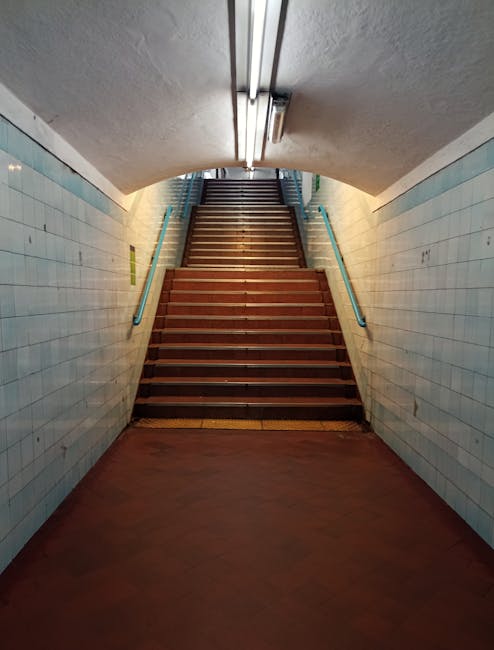
Kentish Town West station access for house removals
Posted on 08/05/2026
Kentish Town West station access for house removals: a practical local guide
If you are planning a move near Kentish Town West, the station can be both a blessing and a headache. Good transport links are handy, of course, but they also bring narrow streets, busier pavements, timed loading concerns, and the kind of access quirks that can turn a straightforward move into a mildly chaotic morning. This guide explains Kentish Town West station access for house removals in plain English, so you can plan a safer, smoother move without guessing your way through it.
Whether you are moving out of a flat above a shop, a maisonette near the station, or a family home a few streets away, the same basics apply: understand the approach routes, check where the van can stop, protect the building, and coordinate the loading order properly. That sounds simple. In practice, it is where most moves succeed or stumble.
Below you will find a local, practical breakdown of how station-side access affects removals, what to watch for on move day, and how to choose the right service for the job. If you want broader support around the move itself, you may also find our house removals in Kentish Town page useful, along with the wider removal services overview.
Why Kentish Town West station access for house removals Matters
Kentish Town West sits in a busy part of north-west London where transport convenience often comes with access friction. The station itself is easy to recognise, but the streets around it can be less forgiving for larger vehicles. For house removals, that matters more than people expect. A van that cannot get close enough to the entrance, or cannot wait safely for long enough to load, can add time, stress, and unnecessary carrying distance.
In removal work, distance is everything. An extra 50 metres of carrying boxes up a narrow pavement, around parked cars, and through a side gate can make a small move feel twice as hard. It is not dramatic, just tiring. And when you are already dealing with deadlines, keys, neighbours, and maybe a rain shower that appears out of nowhere, you do not need avoidable friction.
Station access also affects timing. Nearby roads may be busier at peak commuting hours, and the pedestrian flow around the station can make loading more awkward. If you are moving from a flat or a converted property close to the station, planning around those patterns can mean the difference between a tidy move and a messy one.
There is also a safety angle. Tight streets and quick drop-offs can tempt people to rush. But rushing around stairs, curbs, and van doors is where scratches and slips happen. A better plan is usually the slower one at the start. Sounds obvious, but people forget it when the kettle is already packed and the boxes are stacked in the hallway.
If you are exploring the area as part of a wider move, our local review of living in Kentish Town gives a useful sense of the neighbourhood feel, while the Kentish Town buying guide can help buyers think about access before they commit to a property.
How Kentish Town West station access for house removals Works
There is no single official "removals access" process at Kentish Town West station. In practical terms, it means working out how your removal vehicle will approach the property, where it can stop, how long it can stay there, and how the team will move items between the property and the van.
Most removals near the station follow a simple sequence:
- Assess the property location and nearby street layout.
- Check whether the van can park or briefly load close to the entrance.
- Identify any obstacles such as railings, steps, narrow hallways, or timed restrictions.
- Choose the right vehicle size and crew size for the job.
- Plan the loading order so heavier and fragile items are handled efficiently.
That may sound administrative, but it is the part that saves the most time on the day. For example, if the van can only get within a short distance of the building, a smaller, more manoeuvrable vehicle may be better than a larger one that is awkward on a residential street. In other cases, a larger van makes sense if you can secure suitable access and want to move everything in one trip.
Another point people miss: station access is not just about the road. It is also about the route between the street and the front door. A move from a second-floor flat with a tight staircase and no lift is a different job from a ground-floor maisonette with a rear entrance. Same area, very different physical effort.
For a broader look at how different property types affect removals, see our flat removals in Kentish Town and furniture removals pages.
Key Benefits and Practical Advantages
Handled well, station-adjacent access can actually work in your favour. The key is planning rather than improvising.
- Faster loading and unloading: If the vehicle can stop close enough, items move quickly and with less fatigue.
- Lower risk of damage: Shorter carrying distances reduce the chances of knocks, scuffs, and dropped items.
- Better crew efficiency: A well-planned access route helps the team keep momentum instead of stop-starting.
- Less stress on move day: Clear access means fewer arguments about where the van should go or who is carrying what.
- More accurate quotes: When the access situation is properly described, pricing and timing tend to be more realistic.
There is a subtle benefit too. Good access planning creates calm. Calm moves better. You notice it immediately: fewer shouted instructions, fewer frantic trips to the car, fewer "where did we put the mirror?" moments. The whole day feels more organised, even if the weather is doing its usual London thing.
If cost planning is part of your decision, our pricing and quotes page explains how to request a quote that reflects actual access conditions rather than a rough guess.
Who This Is For and When It Makes Sense
This topic matters most if you are moving within walking distance of Kentish Town West station, or if your property sits on a street where vehicle access is limited, unpredictable, or shared with heavy foot traffic.
It is especially relevant for:
- flat moves with stair access or no lift
- student moves where timing is tight and possessions are numerous but compact
- families moving out of terraced homes or maisonettes
- people needing a same-day turnaround
- small office moves that must avoid commuter bottlenecks
- anyone using a man and van in Kentish Town for a local move
It also makes sense if you are unsure about access and want a moving team to assess the property before the job. In our experience, that is often the smartest route. A quick site understanding can prevent a lot of back-and-forth later. Truth be told, a ten-minute check can save an hour on moving day.
For students and people with lighter loads, the student removals service can be a sensible fit. For people moving multiple rooms or larger furniture, the more tailored removal company support in Kentish Town may be the better match.
Step-by-Step Guidance
Here is a practical way to plan a move with Kentish Town West station access in mind.
1. Map the exact property approach
Do not just assume the nearest road is the best route. Check where the van can realistically approach from, whether there are one-way restrictions, and how far the carrying distance will be from the stop point to the front door.
2. Measure the awkward bits
Measure stair widths, doorways, landings, and any turns in the hallway. Large wardrobes, sofas, beds, and pianos can look manageable until they meet a narrow turn. Then, well, things get interesting.
3. Decide what the van needs to carry
Choose between a single trip and multiple runs, or between a larger removals vehicle and a smaller local van. The wrong vehicle size can waste both time and money. If you are not sure, our removal van service can help match the vehicle to the job.
4. Pack with access in mind
Heavy boxes should be compact and clearly labelled. Keep essential items together. Do not bury keys, chargers, or documents inside a mystery box marked "misc." Everyone has one. Nobody knows what is in it.
5. Book the right support level
If access is tight, extra hands matter. A two-person or multi-person crew can move items safely and reduce the time the van needs to stand outside. For heavier or awkward pieces, check whether a specialist option is better, such as piano removals.
6. Confirm timing early
Avoid peak pressure if you can. Early morning often works better than late morning around transport hubs, though every street is different. Build in a buffer, because something always takes longer than expected. Always.
7. Keep the access route clear
On the day, make sure the hallway, stairwell, and kerbside loading point are as clear as possible. A tidy route is faster and safer. If needed, use storage to split the move into stages; our storage options in Kentish Town can help with that.
Expert Tips for Better Results
A few small decisions make a big difference around station access.
- Do a daylight recce: If possible, visit the street at the time of day you plan to move. Conditions change quickly between 8 a.m. and 11 a.m.
- Use colour labels: Bedrooms, kitchen, fragile, first-night box. Simple labels beat long labels every time.
- Protect the property first: Put down floor protection where needed, especially in halls and around corners.
- Load in the right order: Put essentials at the end of loading so they come off first.
- Keep neighbours in mind: A quick heads-up can prevent complaints about temporary obstruction or noise.
One useful habit is to take photos before dismantling furniture. It sounds almost too obvious, but when you are rebuilding a bed frame later, that one photo can save a minor existential crisis.
Another tip: if the move includes packed boxes and boxes are still being sourced, our packing and boxes service can take a lot of the edge off. Better boxes, better stacking, less damage. Simple, really.

Common Mistakes to Avoid
Most access problems near Kentish Town West do not come from huge disasters. They come from small assumptions.
- Assuming the van can park directly outside: That is often not realistic near busier station roads.
- Underestimating carrying distance: Even a short walk becomes tiring with white goods or a sofa.
- Ignoring building rules: Some blocks, landlords, or managing agents may require notice for moving vans or lift use.
- Packing too late: Last-minute packing tends to create weak boxes and missing items.
- Choosing the wrong vehicle: Bigger is not always better. Sometimes a more flexible setup is smarter.
- Forgetting weather: Rain changes everything. Cardboard, stairs, and wet pavement are not a lovely combination.
One less obvious mistake is failing to think about the end of the move as well as the start. If your new property also has restricted access, the same problems repeat on arrival. So plan both sides. Sounds basic, but it gets missed all the time.
Tools, Resources and Recommendations
You do not need a huge toolkit, but a few practical items are genuinely useful.
- strong tape and spare tape
- marker pens for clear box labels
- furniture blankets and shrink wrap
- door protectors or old towels for narrow hallways
- basic toolkit for dismantling beds or shelving
- gloves with grip for awkward lifting
- torches for early starts or dim stairwells
If you are moving a full household, it may also help to read our removals checklist for moves from The Forum, which is a useful companion piece for staying organised.
For people who want a more complete picture of the local service landscape, the services overview gives a helpful summary of what can be combined, from man and van support to full household removals.
Law, Compliance, Standards and Best Practice
For removals near Kentish Town West, the main compliance issues are usually practical rather than complicated. You are mainly dealing with road use, safety, building access, and fair use of shared space.
Depending on the street and the type of stop required, there may be parking restrictions, loading limits, or local rules that need to be observed. It is wise to check the current situation directly with the relevant local authority or parking guidance rather than assuming the road is fine for loading. Rules can change, and roadside signs matter more than general assumptions.
Good movers also follow sensible safety standards: lifting carefully, protecting common areas, checking weight limits, and making sure people are not carrying items through blocked routes. For trustworthy providers, look for clear safety information such as the health and safety policy and insurance and safety information.
Best practice also includes being transparent about what you are moving, whether there are stairs, and whether access is likely to be tight. That honesty helps everyone. It avoids the awkward moment where the crew arrives expecting a straightforward ground-floor load and discovers a long staircase, three landings, and a piano. Nobody wants that surprise.
If you need reassurance about who you are booking with, the about us page is a sensible place to start, and the terms and conditions explain the practical basis of the service.
Options, Methods, or Comparison Table
Different access situations call for different moving methods. Here is a simple comparison to help you think it through.
| Method | Best for | Strengths | Limitations |
|---|---|---|---|
| Man and van | Smaller flats, short-distance local moves, flexible timing | Easy to manoeuvre, often efficient for tight streets | Limited load space, may need multiple trips |
| Full removals crew | Family homes, larger inventories, heavier furniture | More hands, better for awkward access and larger jobs | Usually higher cost, may need more planning |
| Flat-only support | Upper-floor apartments and compact homes near the station | Tailored to stair-heavy access and small hallways | Less suitable for large household moves |
| Same-day removal | Urgent moves, last-minute key handovers, time-sensitive situations | Fast response, useful when plans change suddenly | Availability can be limited; access details must be accurate |
For a lot of station-area moves, a man and a van in Kentish Town is enough. But if access is awkward, or if you are moving a full flat, a more complete service may actually be the more efficient choice. Counterintuitive, yes. But true.
Case Study or Real-World Example
Here is a realistic example based on a common type of move near Kentish Town West.
A couple moving from a first-floor flat a short walk from the station had a sofa, bed frame, dining table, several boxes, and a few awkward bits of furniture. The road outside was accessible for a van, but not ideal for long parking, and there were other vehicles along the street. Rather than squeezing in a larger lorry and hoping for the best, they booked a smaller removal van with two crew members.
Before move day, they measured the stairwell, cleared the hallway, and packed fragile items separately. The crew positioned the van as close as possible, used blankets and straps, and loaded in a logical order so the essentials came off first at the new place. There was no drama. No scratched walls. No one was panting halfway up the stairs wondering why they owned so many books.
The lesson is straightforward: good access planning usually beats brute force. A move does not need to be fancy. It just needs to be thought through properly.
If you are comparing move types in the area, our flat removals and office removals pages can help you decide which format fits your situation best.
Practical Checklist
Use this simple checklist before moving day.
- Confirm the exact property address and entrance used for loading.
- Check whether the van can stop nearby without blocking traffic or access.
- Measure doorways, stairs, and tight turns.
- Tell the removals team about lifts, codes, or building rules.
- Book the right size vehicle for the access conditions.
- Pack heavy boxes sensibly and label everything clearly.
- Keep documents, keys, phone chargers, and valuables with you.
- Protect floors, corners, and any shared hallways where needed.
- Allow extra time for loading, especially around station traffic.
- Have a backup plan if access turns out to be tighter than expected.
If you are at the early stage of the move, it can be useful to compare your options and speak to a local provider directly through the contact page. That is often the quickest way to get practical advice rather than generic sales talk.
Conclusion
Kentish Town West station access for house removals is really about one thing: planning the move around the real street, not the ideal one. Once you understand where the van can stop, how far items will need to be carried, and what the building itself will demand, everything becomes easier.
That does not mean the move will be effortless. Let's be honest, moving house rarely is. But it can be orderly, safer, and far less stressful when the access plan is sensible from the start. Whether you are moving a compact flat, a full family home, or a single piece of furniture, the right approach near the station usually comes down to careful timing, clear communication, and the right vehicle setup.
For many people, the next step is simply to get a quote and talk through the access details before the moving date sneaks up. A short conversation now can save a lot of scrambling later.
Get a free quote today and see how much you can save.
And if you want the move handled by a local team that understands the area, the streets, and the little access quirks that come with them, that is often the calmest route of all. One less thing to worry about.